What comes to mind when you think of Zen?
A quiet temple. A monk sitting in meditation. Stillness, silence, and closed eyes.
But sitting isn't the only way to experience Zen.
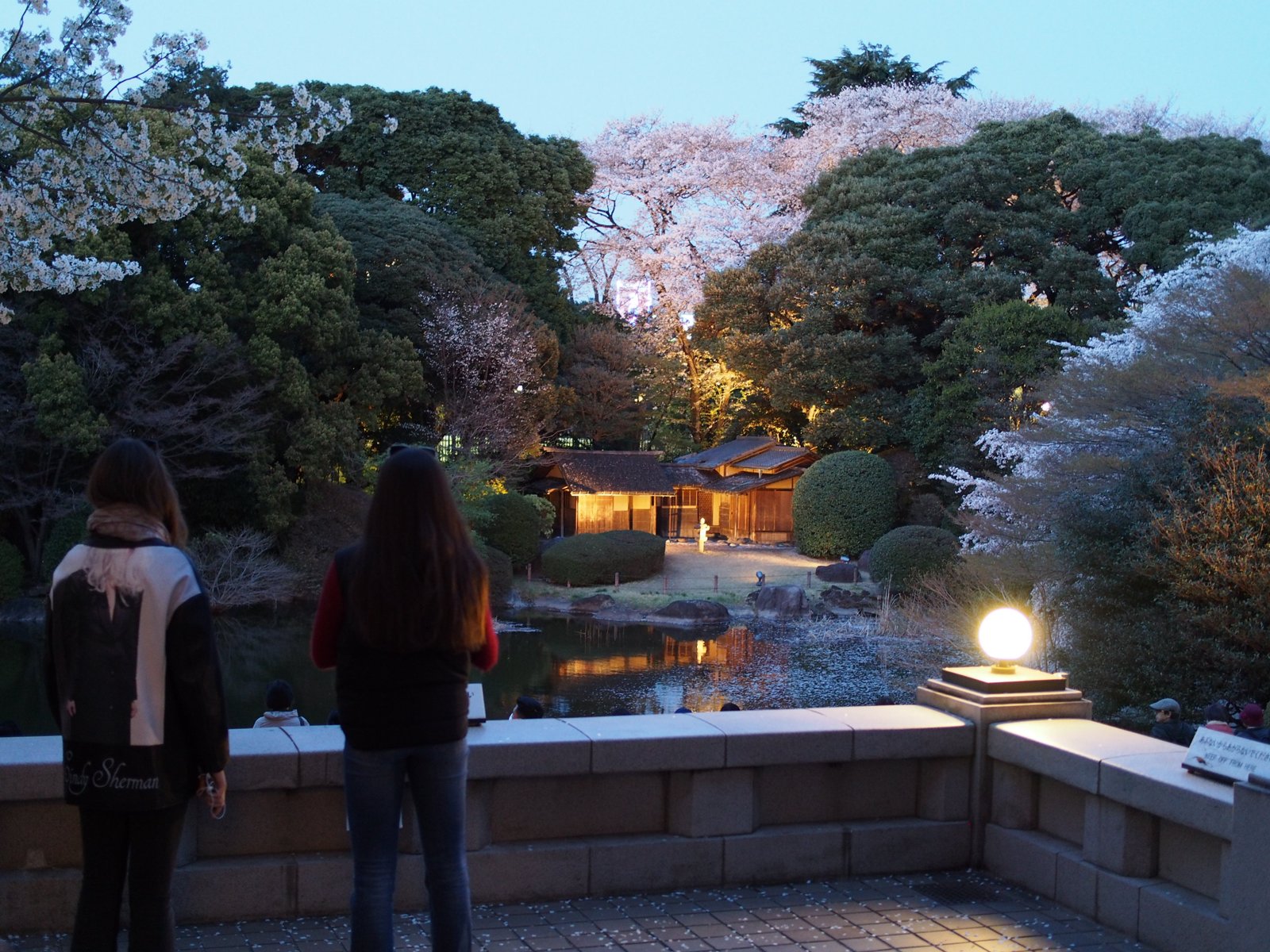
At ZEN NIGHT TOKYO, held at the Tokyo National Museum in Ueno, a Japanese garden that is normally closed at night comes alive with light and sound.
Here, you can do more than admire the scenery. You can explore the world of Zen through something as simple as walking.
Walking Can Be a Zen Practice, Too
Zen is a tradition of Buddhism that emphasizes direct experience and personal practice, rather than relying on words and intellectual understanding alone.
Most people associate Zen with zazen, or seated meditation. But Zen practice also includes kinhin, a form of walking meditation.
In kinhin, attention turns to each step, the movement of the body, and the rhythm of breathing.
Walking is something we do every day, often without thinking about it. Paying attention to the act itself can make it a different kind of experience.
ZEN NIGHT TOKYO offers a contemporary experience inspired by this approach.
Throughout the garden, visitors encounter neuro-music, a form of music used as part of the event's walking meditation experience.
As you walk through the garden at night, listen to the sounds around you.
Notice the feeling of your feet touching the ground. The music reaching your ears. The light appearing between the trees.
There's nothing you need to memorize, and no correct answer to find.
Just walk. Pay attention. Experience the moment.
Rather than learning about Zen from an explanation, this is an opportunity to get a sense of it for yourself.
Walking Through Light and Darkness
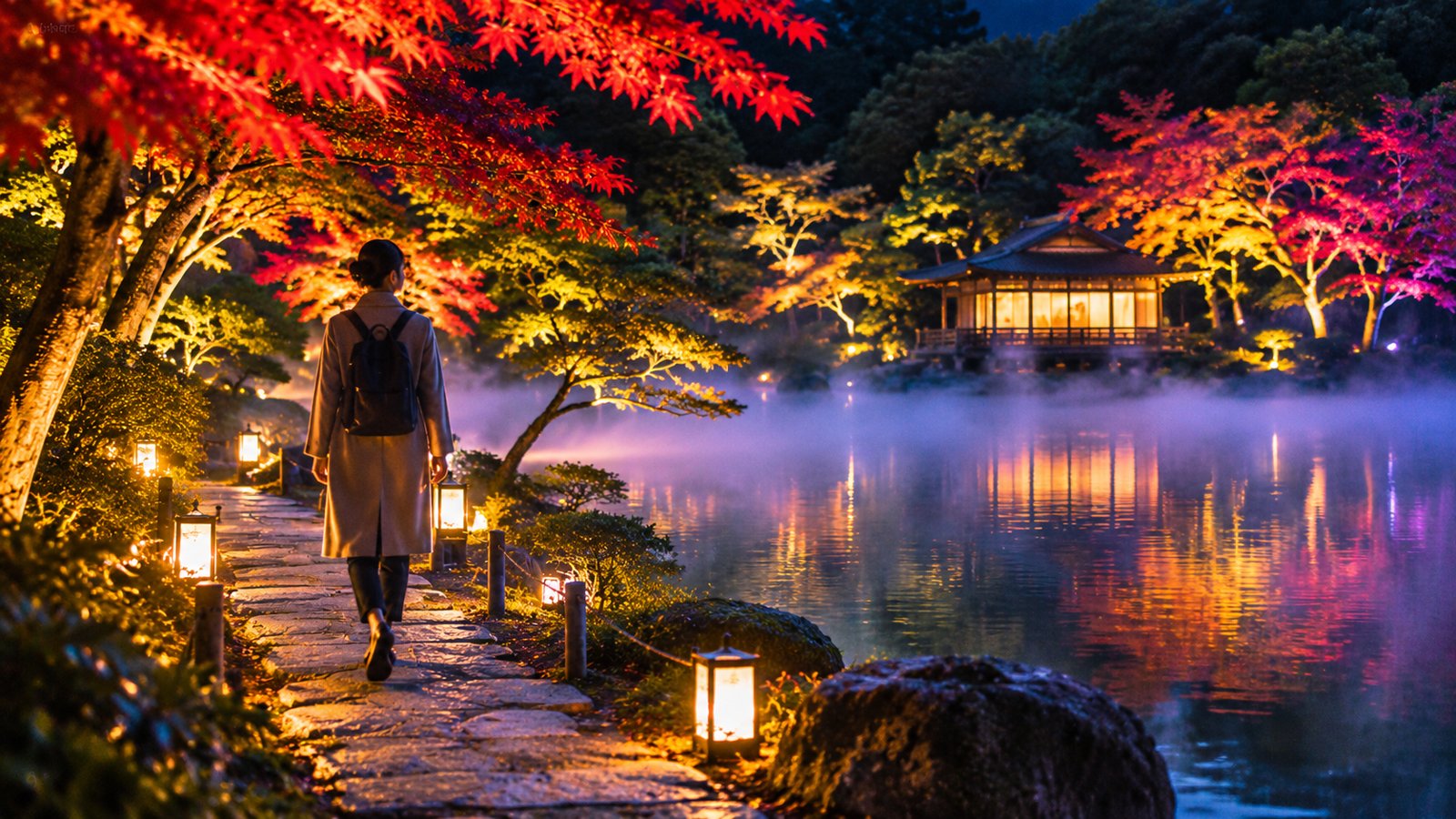
At the garden's central pond, artificial mist drifts across the water.
Autumn foliage glows under carefully placed lights, its colors reflected on the pond. Traditional teahouses emerge from the surrounding darkness.
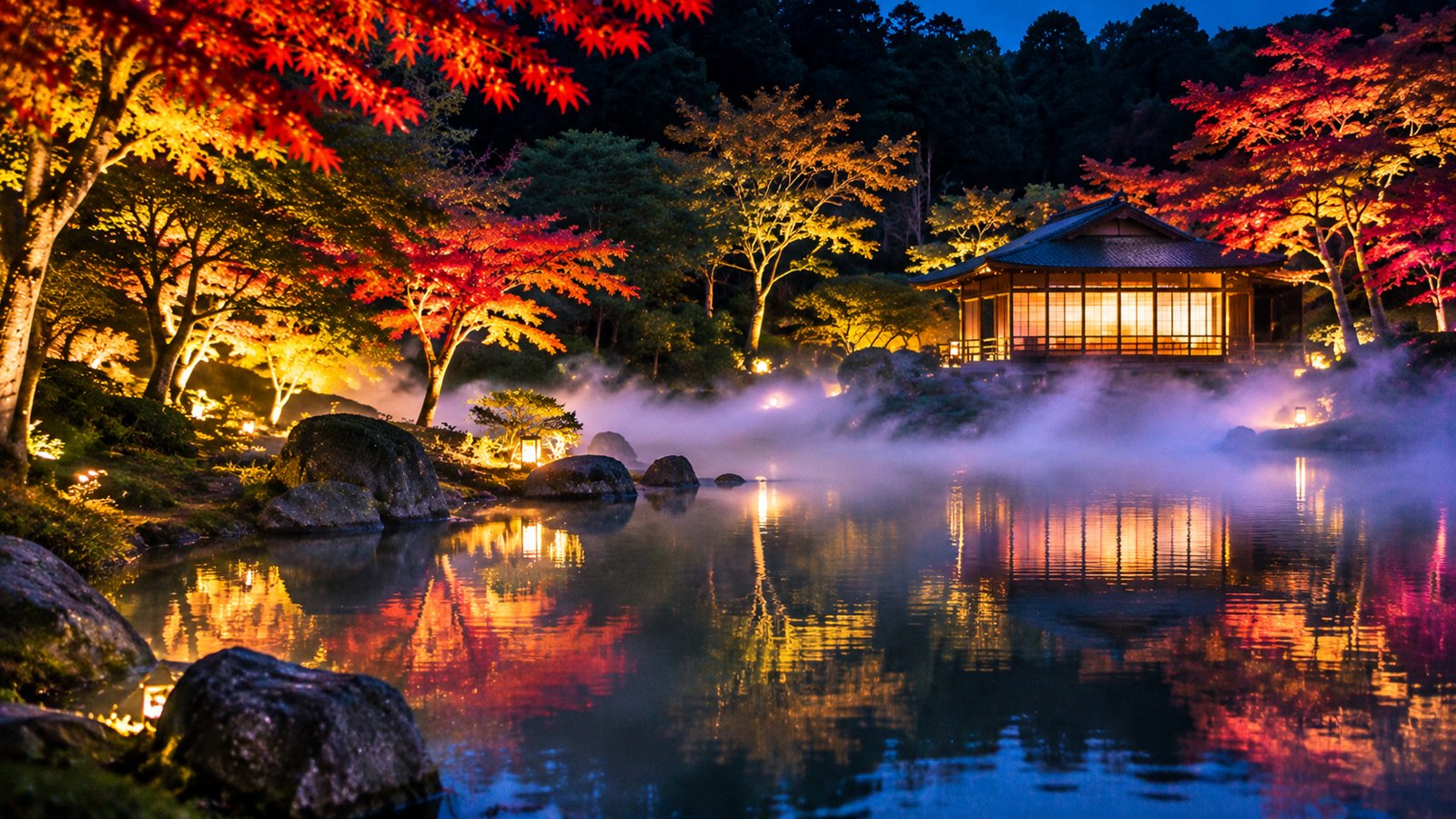
Behind the pond, Hyakki Yado (百鬼夜道) takes visitors into a more mysterious setting.
A pathway lined with 3,000 red spider lilies evokes the presence of supernatural beings from Japanese folklore.
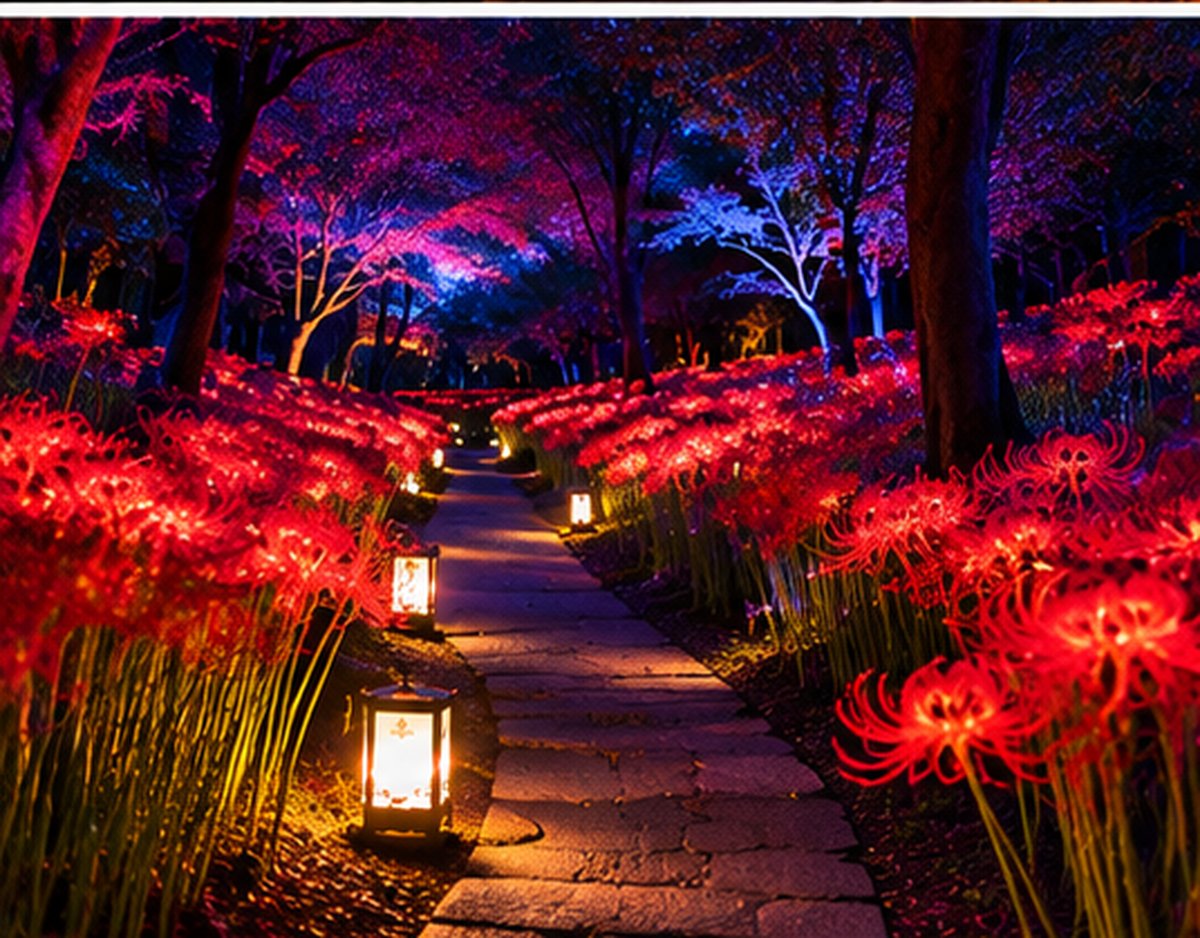
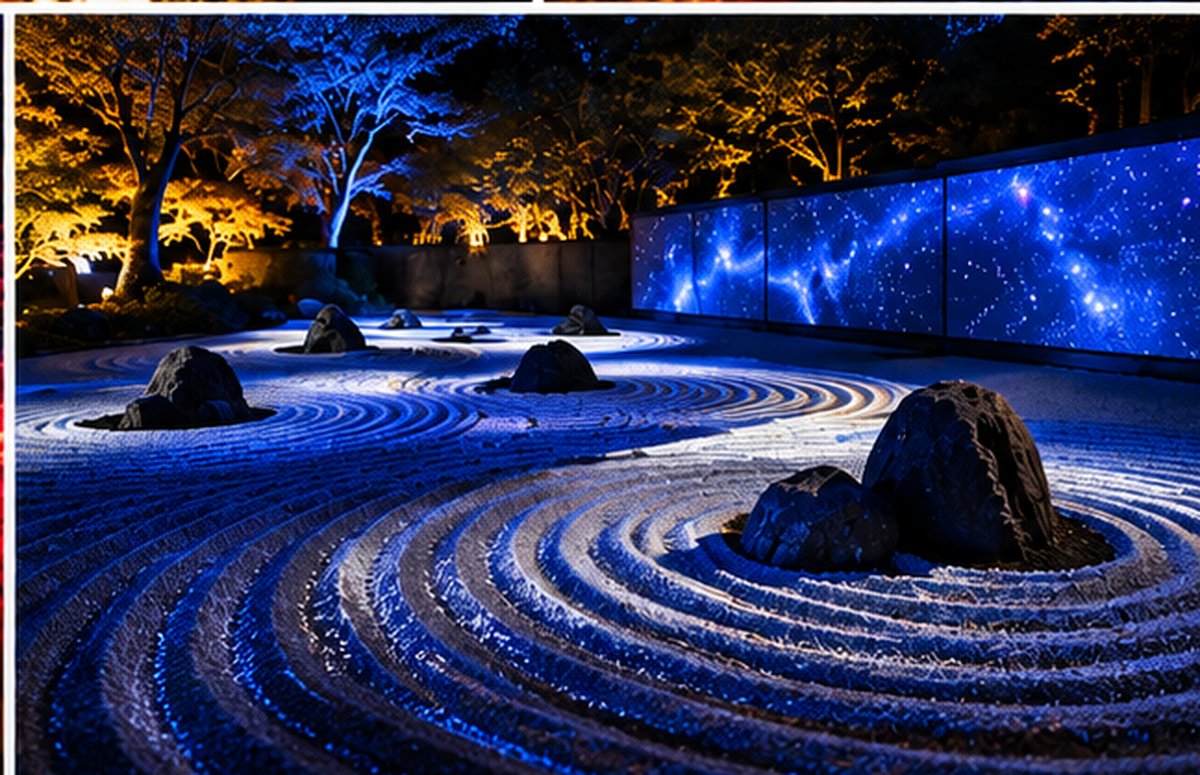
In front of the Kujo-kan building, Tenmoku Garden presents another interpretation of the night.
This illuminated karesansui, or Japanese dry landscape garden, represents the Milky Way against the darkness.
Instead of water, a traditional dry landscape garden uses rocks, gravel, and carefully arranged space to suggest natural scenery.
Here, light adds another dimension to that tradition.
There's also a place to stop along the way. At Momiji Chaya, visitors can enjoy matcha and other refreshments surrounded by the atmosphere of the garden.
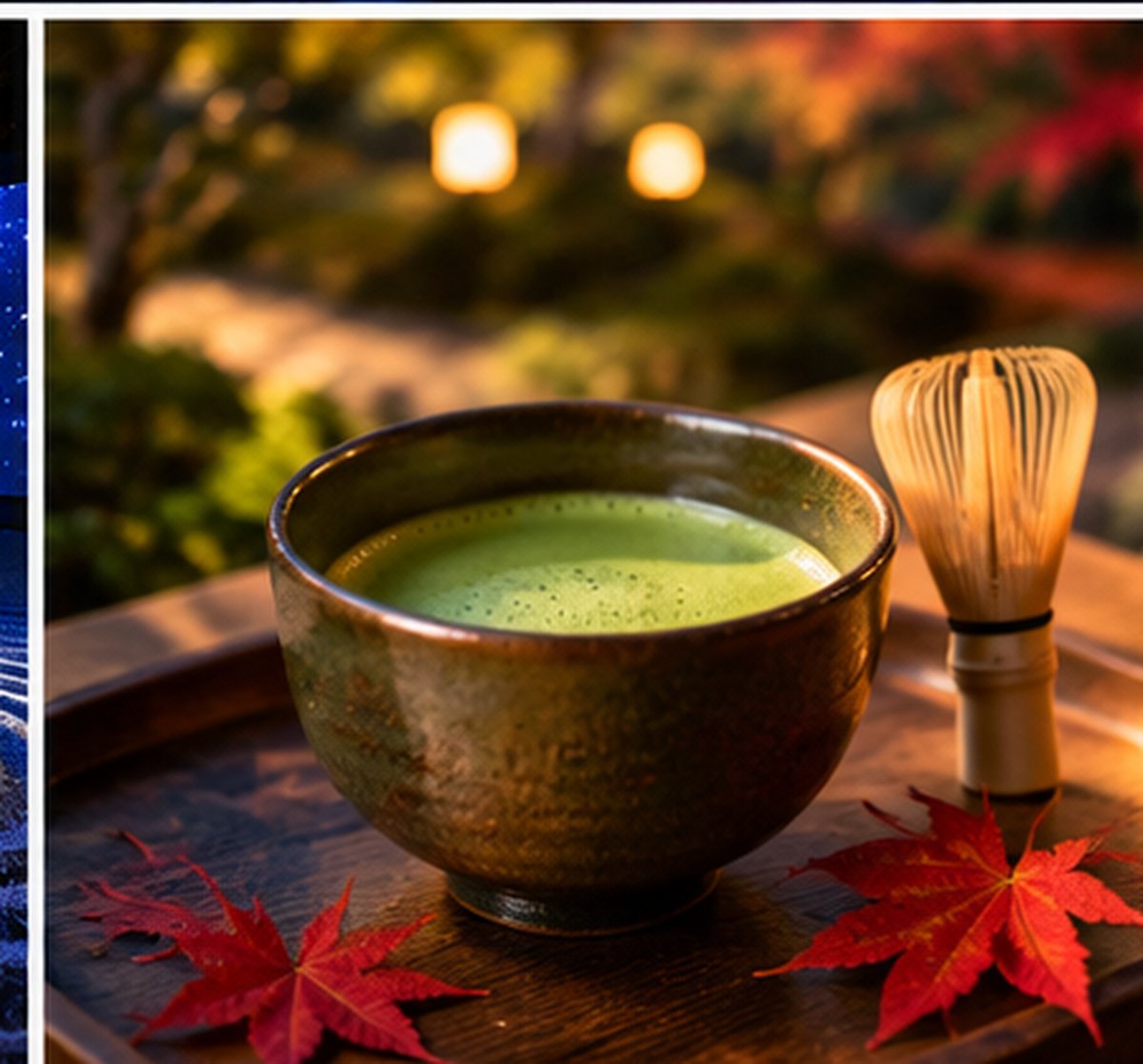
Walking with awareness, then stopping to take in the scenery.
Both are part of the experience.
Want to Explore Zen a Little Further?
ZEN NIGHT TOKYO takes place alongside a special exhibition at the Tokyo National Museum:
Daitokuji: A Zen Temple, Beyond Compare, commemorating the 700th anniversary of Daitokuji's founding.
The exhibition introduces artworks and cultural treasures preserved at Daitokuji, a historic Zen Buddhist temple in Kyoto.
Admission to the exhibition is included with a standard ZEN NIGHT TOKYO ticket.
The two experiences offer different ways to encounter Zen.
In the garden, you experience an interpretation of Zen through movement, sound, and light.
Inside the museum, you can discover the art and history shaped by centuries of Zen Buddhist tradition.
Their opening hours and admission procedures are separate, so check both before you plan your visit.
Event Information
- Event
- ZEN NIGHT TOKYO
- Dates
- October 14 – December 6, 2026
- Venue
- Tokyo National Museum Garden
- Address
- 13-9 Ueno Park, Taito-ku, Tokyo
- Access
- Approximately 10 minutes on foot from JR Ueno Station (Park Exit)
- Regular hours
- 5:30–7:30 PM
- Extended hours
- Fridays, Saturdays, and November 1, 2, and 22: until 9:00 PM. November 13: until 9:30 PM
- Last admission
- 30 minutes before closing
- Closed
- Mondays, except November 2, 23, and 30; also closed November 24
- General admission
- ¥4,200 (tax included)
- University students
- ¥3,200
- High school students
- ¥2,800
- Free admission
- Junior high school students and younger; visitors with a disability and one accompanying caregiver (proof required). Special seated meditation programs are charged separately.
- Standard ticket includes
- Nighttime garden admission and admission to the Daitokuji exhibition
Before You Go
- The nighttime garden and its walking meditation experience are included in the standard ticket. Special seated meditation programs require separate tickets.
- The Daitokuji exhibition normally closes at 5:00 PM. On Fridays, Saturdays, and November 22, it remains open until 8:00 PM. The exhibition and nighttime garden have separate admission procedures and may be visited on different days.
- If you already have a ticket to the Daitokuji exhibition, a garden-only ticket is available for ¥1,900. You must present your exhibition ticket or used ticket stub when entering the garden.
- The event generally takes place in rain, but severe weather may result in changes or cancellation.
- Some garden paths are dark. Comfortable walking shoes are recommended.
- Tickets cannot be canceled, changed, or refunded after purchase.
Official event website: https://zen.vie.style/en/tokyo2026/
Official ticket store: https://zen-night-tokyo.square.site/
Event details and prices checked November 6, 2026. Please confirm the latest information on the official website before visiting.
About the Images
The nighttime garden illustrations in this article were AI-generated by Lost Proof Japan to convey the atmosphere and themes of ZEN NIGHT TOKYO. They are artistic interpretations, not photographs of the actual event. The appearance of the installations may differ from these images.
Garden photo: Kestrel, spring 2018, CC BY-SA 4.0, via Wikimedia Commons. Not from the 2026 event.
Lost Proof Japan shares events happening in Japan right now — the kind that make your trip even better.